Building a digital product today is more accessible than ever.Building the right product remains the real challenge.
Startups operate in a high-uncertainty environment, where every decision — what to build, for whom, and at what moment — directly impacts adoption, growth, and the viability of the project.
In this context, the problem is usually not a lack of ideas, but a lack of focus.
Strategic design helps reduce that uncertainty by defining what makes sense to build, how to prioritise, and how to design products that truly connect with people.
This means working on product design, digital product UX, and product design focused on adoption.
Challenges and pain points for digital startups
Startups face challenges that are less about execution and more about decision-making:
In many cases, the problem is not building badly, but building without enough focus.
What can strategic design bring to startups?
The main challenge in a startup is not simply designing better interfaces, but making better product decisions.
Strategic design helps address this challenge by connecting research, strategic definition, and solution design.
We work with startups and product teams to help them:
Clearly understand the problem they are solving and for whom
Identify what truly creates value for the user
Prioritise what to build and what not to build
Design products that support adoption from first use
Reduce uncertainty in decision-making
Align vision, product, and experience
More than designing features, we help build products that make sense and can grow on a solid foundation.
If you are working on any of these challenges with your digital product, we can help you analyse them in more detail and identify where the main opportunities lie.
When a startup needs strategic design
A startup typically needs this approach when it:
Does not have clarity on what product to build
Is not seeing adoption of its product
Needs to prioritise features
Wants to improve its digital product UX
Is evolving from MVP to a scalable product
How we work
We address startup challenges by combining research, strategy, and design as part of a continuous process, not as isolated phases, in environments where speed and uncertainty require constant focus.
Our process is structured around five key moments:
01
Understanding the context
02
Research
03
Strategic definition
04
Solution design
05
Iteration and implementation
How this work takes shape in startups
In our work with startups and product teams, these approaches translate into projects that directly impact product development and adoption.
In our work with startups and product teams, these approaches translate into projects that directly impact product development and adoption.
Defining or redefining the product when there is no clarity about the problem or the user
Prioritising features to avoid overbuilding
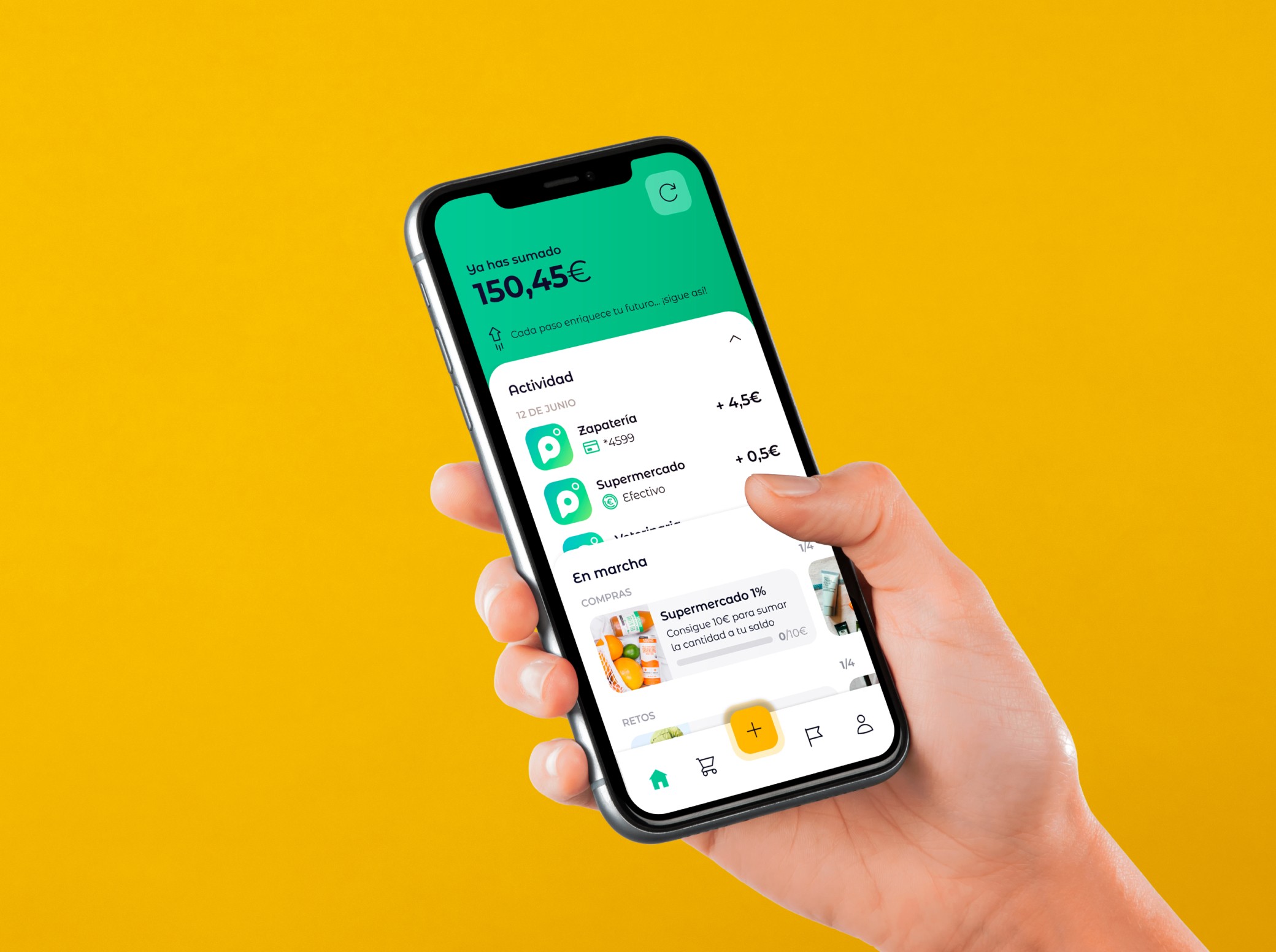
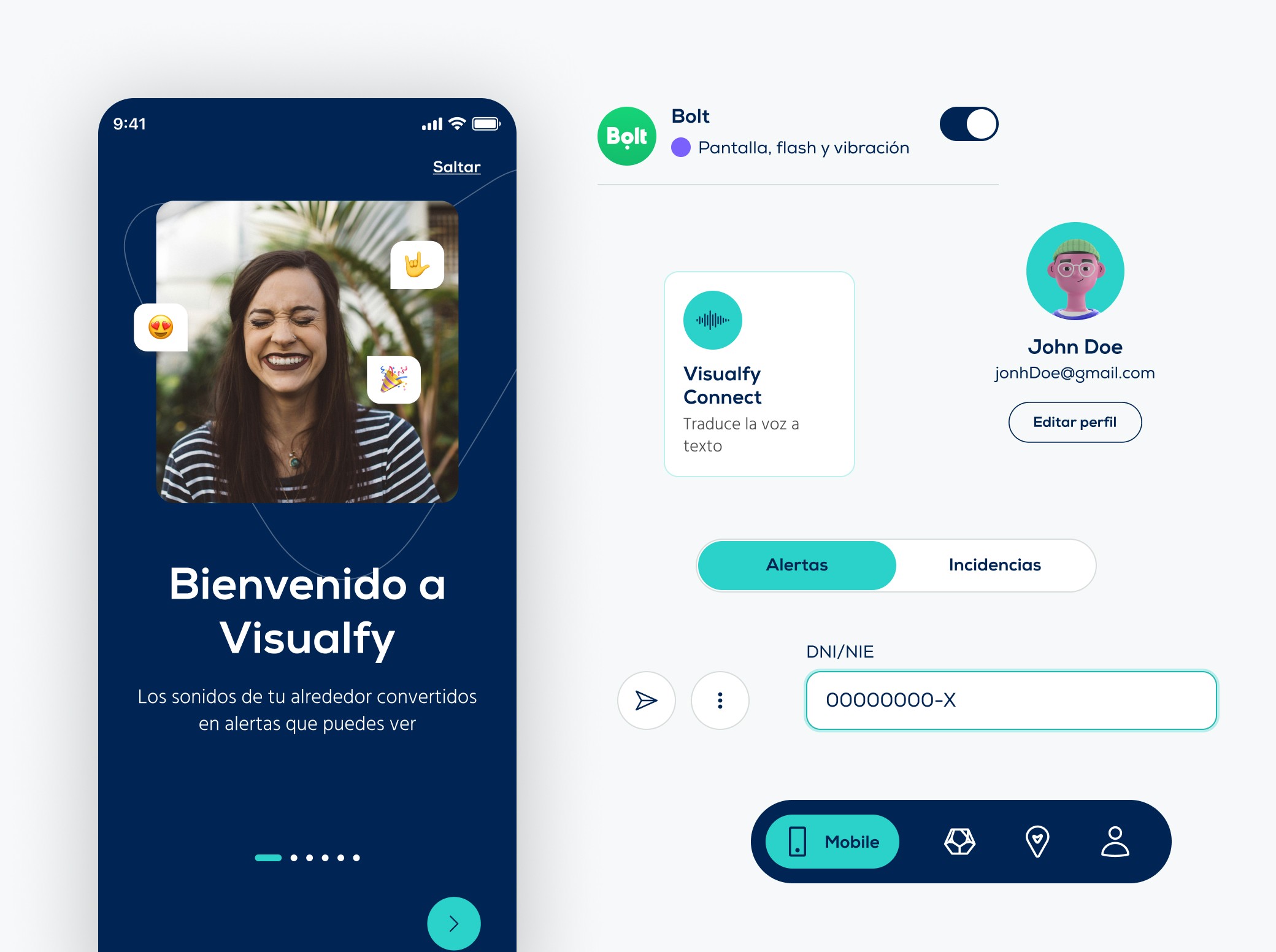
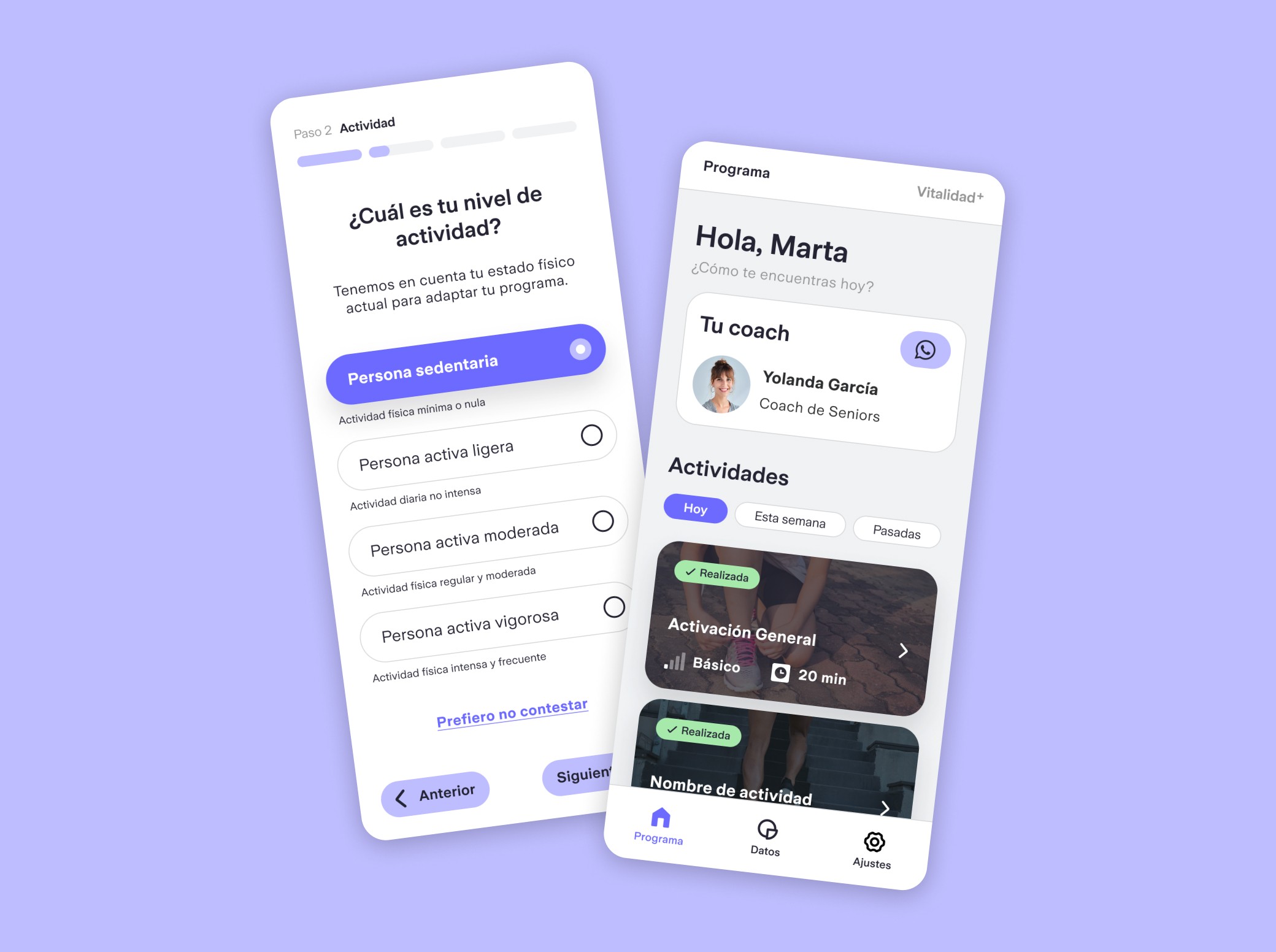
Improving the onboarding experience to increase adoption
Simplifying flows to make usage easier
Aligning business, product, and experience
Evolving an MVP into a more solid product
Each of these projects is approached with the understanding that in a startup, every decision matters and every lack of focus comes at a high cost.
We have worked on these kinds of challenges through strategic research, product design, and value proposition definition across different digital contexts.
Our approach
At Ikigai, we work from a strategic and systemic design perspective, understanding that a digital product is not just an interface, but the result of decisions about:
What problem to solve
For whom
In what way
We apply Life-Centered Design principles, expanding the focus beyond the user to consider the impact of solutions on:

People and their experience

The business and its viability

The context in which it operates
This allows us to design products that are more relevant, coherent, and sustainable over time.